
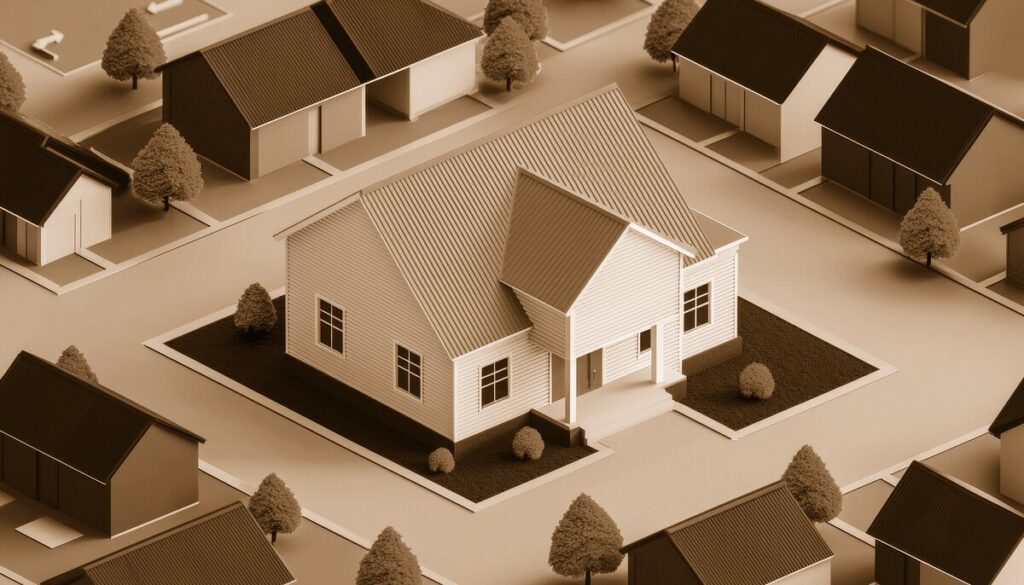
Discovering Boardwalk: The Roots of a Remarkable Neighborhood
Lancaster, Texas, is a city known for its rich history and welcoming neighborhoods, and among its many gems, the Boardwalk neighborhood stands out as a living testament to community, heritage, and growth. Whether you’re a longtime resident or just curious about this corner of our city, Boardwalk’s story is one worth telling—a tapestry woven from the past and vibrant with present-day charm.
Origins: How Boardwalk Got Its Name
The Boardwalk neighborhood didn’t always go by its now-familiar name. In the mid-20th century, as Lancaster began to spread its wings beyond its quaint downtown, developers envisioned a unique residential enclave just east of Houston School Road, bordered by Wintergreen Road and Cartwright Road. Inspired by the popular boardwalk promenades of the early 1900s—places bustling with social activity and community spirit—local leaders chose the name to evoke the idea of a lively, connected neighborhood.
At the heart of this vision was Boardwalk Lane, the main thoroughfare that neatly bisects the neighborhood. Early homes along this street featured deep porches and wide sidewalks, encouraging neighbors to stroll, chat, and gather—much as people would on a classic coastal boardwalk. This spirit of togetherness quickly became the neighborhood’s signature.
Key Historical Milestones
Boardwalk’s story mirrors the growth of Lancaster itself. Here are a few pivotal moments:
- 1950s-1960s: Founding Years
The first houses on Boardwalk Lane and adjacent avenues like Seaside Drive and Harbor Court took shape in the late 1950s. Many original homes still stand today, brick-faced and lovingly maintained by families spanning generations.
- 1973: Boardwalk Park Opens
The opening of Boardwalk Park was a major event, transforming a former patch of prairie into a lush green space. Kids from all over Lancaster flocked to its playgrounds, and summer picnics on its lawns became a Boardwalk tradition.
- 1988: The Boardwalk Civic Association Forms
As development continued, residents banded together to form the Boardwalk Civic Association. Their advocacy led to street upgrades, neighborhood watch programs, and the beloved annual Boardwalk Block Party—an event still going strong.
- 2005: Boardwalk Elementary School Built
The addition of Boardwalk Elementary, at the corner of Boardwalk Lane and Seaside Drive, cemented the area’s family-friendly reputation. The school quickly became a neighborhood anchor, its mural—illustrating Lancaster’s colorful history—a local landmark in its own right.
Notable Landmarks and Institutions
Boardwalk’s boundaries might be modest, but it packs plenty of character into just a few blocks. Highlights include:
- Boardwalk Park: With shaded picnic tables, a small fishing pond, and a mural painted by local artists, the park is the neighborhood gathering spot for everything from Fourth of July fireworks to weekend soccer matches.
- The Old Oak Tree: At the intersection of Boardwalk Lane and Harbor Court, this centuries-old live oak is a favorite meeting place and photo backdrop for generations of residents.
- Boardwalk Community Center: Housed in what was once the original neighborhood grocery, the center offers after-school programs and hosts monthly craft fairs.
- Boardwalk Elementary School: Known for both academic excellence and its community-centric events, the school welcomes families from across Lancaster for literacy nights and holiday shows.
Evolution Through the Decades
As Lancaster’s population has grown, Boardwalk has adapted while keeping its heritage front and center. The 1990s and 2000s saw an influx of younger families, drawn by Boardwalk’s quiet streets and strong community spirit. Developers introduced a handful of new homes with larger yards along Anchor Drive and Lighthouse Lane, blending seamlessly with the older brick houses.
Longtime residents will tell you that while the faces may change, some things stay the same. Neighbors still greet each other by name, and families pass down stories—like the time Boardwalk Park hosted a surprise visit from a traveling jazz band, or the blizzard of ‘83 when locals helped shovel each other’s walkways.
Community Spirit: Past, Present, and Future
What truly sets Boardwalk apart is its enduring sense of resilience and unity. Every spring, the Boardwalk Block Party fills the streets with laughter and live music. In December, homes decked out in sparkling lights attract visitors from across Lancaster for the “Lights on Boardwalk” tour. Volunteers from the Civic Association organize cleanups and food drives, proving that neighborly care is alive and well.
As Lancaster continues to grow and change, Boardwalk stands as a reminder of the enduring importance of community ties, shared history, and pride of place. Young couples, retirees, and growing families all find common ground here—on welcoming front porches, in shaded parks, and along the sidewalks that inspired the neighborhood’s name.
Why Boardwalk Still Matters
For those seeking a real sense of belonging, Boardwalk offers more than just a place to live—it’s a place to make memories, build lasting friendships, and participate in a proud legacy that stretches back decades. Whether you’re visiting for the mural at Boardwalk Elementary or enjoying a lazy afternoon in the park, you’ll find the warmth of Lancaster’s history and hospitality woven into the very fabric of Boardwalk.
So next time you’re driving through the tree-lined streets of Lancaster, take a detour down Boardwalk Lane. Listen to the laughter of children at play, admire the lovingly kept gardens, and know—you’ve found one of Lancaster’s true treasures.